
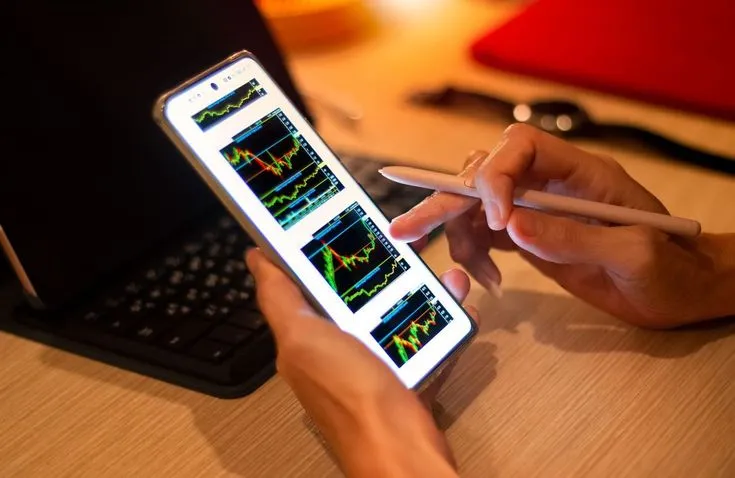
Modern traders often judge a platform by its visible features, but the real value comes from how those tools support everyday decisions. Anyone exploring application trading forex solutions should look beyond design and check whether charts, order screens, account information and risk controls work together clearly. Mobile access can make market monitoring easier, yet convenience should not replace discipline. A useful platform should help traders analyse conditions, plan entries and understand exposure before they act, whether they are practising or preparing for live participation.
App Features That Matter
A strong trading app should make market information easy to interpret on a small screen. Traders can compare how quickly they can open charts, switch between currency pairs and review price movements without unnecessary steps. Useful features may include multiple timeframes, drawing tools, watchlists and economic information. More functions are not always better, especially for beginners. The important question is whether the app presents the information a trader actually needs in a way that supports consistent analysis instead of encouraging reactions to short-term price changes.
Order Execution and Control
Order controls deserve close attention because even a well-planned market idea can be weakened by poor execution. Traders should understand where position size is entered, how market and pending orders are placed, and how stop-loss or take-profit instructions can be adjusted. The process should feel clear before real funds are involved. Practising these steps repeatedly can reduce operational mistakes. Traders should also review how spreads, margin requirements and changing market conditions may influence the final result of an order once it reaches the market.
Understanding Account Information
Access to forex trading account experts resources can help users understand the account side of trading before they focus on strategy. Traders should review how balances, equity, margin and open exposure are displayed, because these figures influence how much risk an account can absorb. Account controls should make it easy to monitor positions without searching through several screens. Learning these details during practice can create better habits and reduce confusion later, particularly when markets become volatile or several positions are open simultaneously.
Managing Risk Before Trading
Risk tools are most useful when connected to a clear plan rather than used after a trade has already moved against expectations. Before opening a position, traders can decide how much of their account they are prepared to expose and where the original idea becomes invalid. Leverage requires particular care because it can magnify both gains and losses. A platform should make relevant margin and exposure information visible enough for users to assess risk before confirming an order instead of focusing only on possible profit.
Moving Between Devices
Modern traders often move between desktop and mobile devices, so consistency across platforms can matter. A trade planned on a larger screen should remain easy to monitor from a phone without changing the original strategy because the interface is different. Traders can test whether watchlists, charts and open positions remain understandable across devices. This flexibility is useful when travelling or away from a computer, but it should not encourage impulsive decisions. Mobile access works best when it supports a plan already defined through careful analysis.
Learning From Trading Activity
Educational tools can strengthen a trading platform when they explain market behaviour and account functions in practical terms. Economic calendars, platform guides and market commentary may help traders understand why currencies react to interest-rate decisions, inflation data or employment reports. Beginners should still compare information from reliable sources and avoid treating general content as personalised financial advice. Keeping a journal can also improve learning by recording the reason for each trade, the risk taken and whether the original plan was followed from entry to exit.
Conclusion
A modern trading setup should connect market analysis, order execution and account management in one clear process. Traders benefit most when app features make it easier to understand prices, control exposure and review decisions without unnecessary complexity. Resources available through btcdana.com can form part of this evaluation while users continue their research. Forex and CFD trading involve significant financial risk, so platform convenience should support disciplined preparation and responsible account management rather than create the impression that technology alone can produce successful trading outcomes.